Serving Virginia, Maryland & Washington, DC(240) 472-5864info@apcusa.net
Environmental Resources

Good decisions begin with the right questions.

Explore common environmental concerns and the factors that shape an appropriate assessment. These guides help you understand the issue and prepare for a focused conversation; they are not a site-specific determination.

  1. 01Identify the concernWhat is happening on site?
  2. 02Review the guidanceUnderstand the context
  3. 03Define the next stepPlan a focused assessment
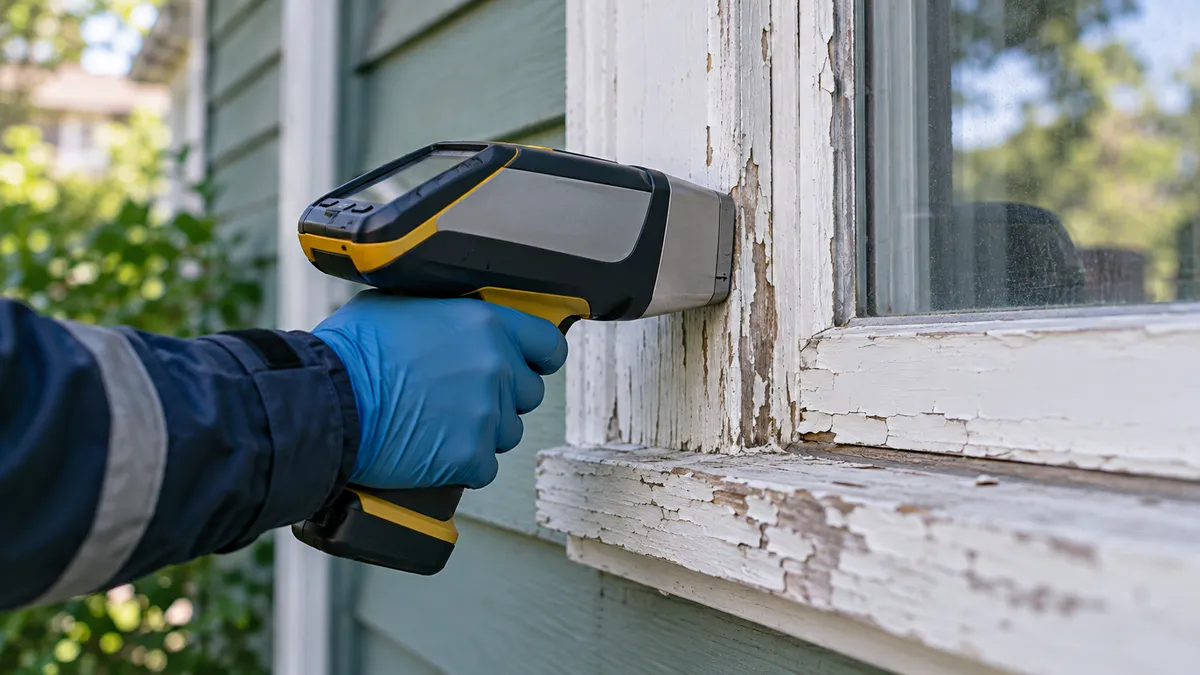
Illustrative photo of XRF lead paint inspection at an older window

Lead-Based Paint

Learn where lead-based paint may be encountered and why older housing, deteriorated paint, and renovation work can require careful evaluation.

Why it mattersInspection and sampling can help define potential lead hazards before property decisions or regulated work begin.
EPA lead information
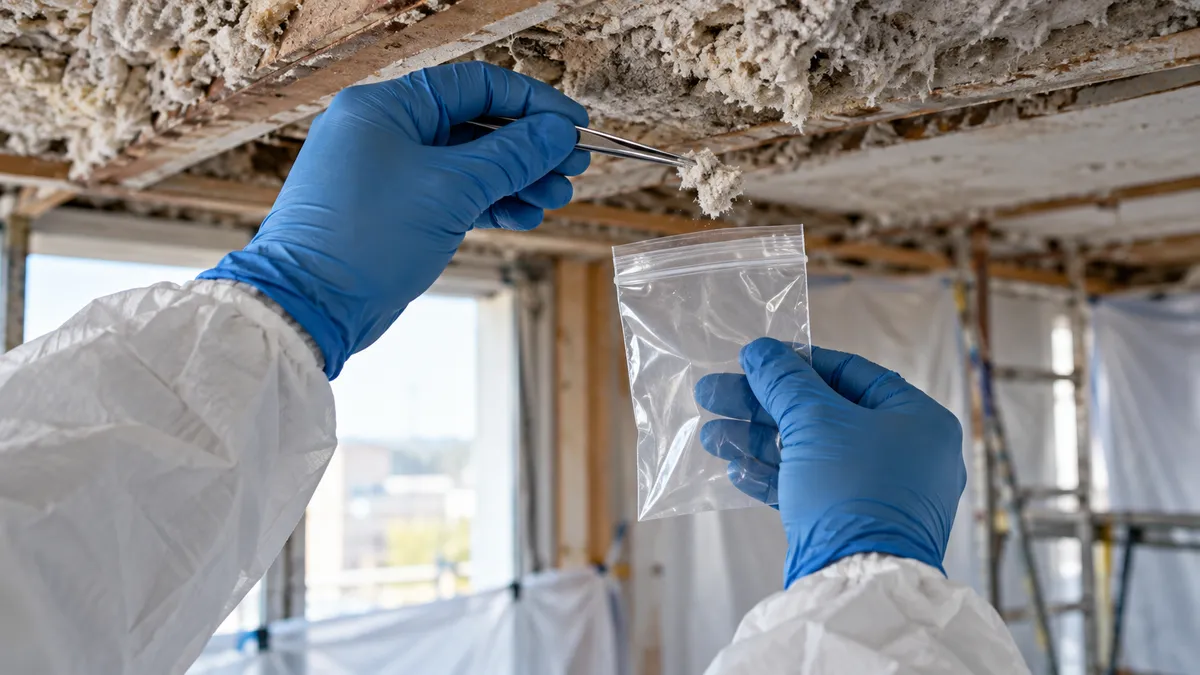
Illustrative photo of suspected asbestos material being sampled at a renovation site

Asbestos

Understand why suspect building materials may require inspection and laboratory analysis before renovation, demolition, or material disturbance.

Why it mattersAppearance alone cannot reliably confirm whether a building material contains asbestos.
EPA asbestos information
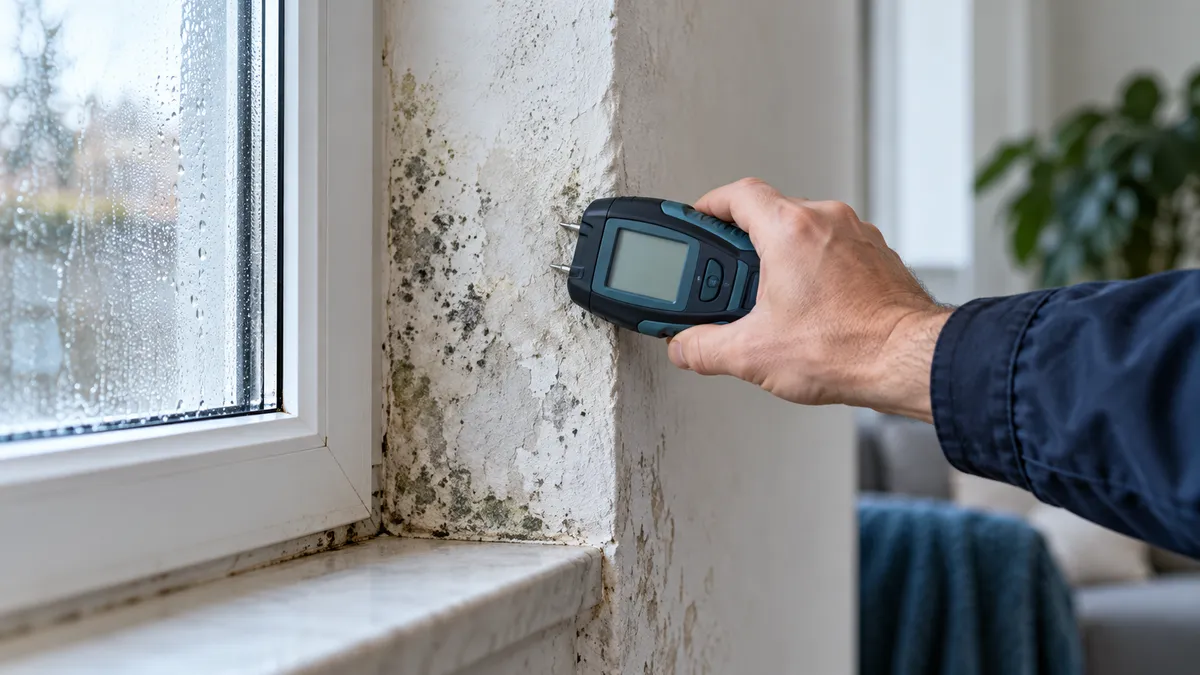
Illustrative photo of moisture meter checking a damp wall near a window

Mold & Moisture

Review the relationship between leaks, damp materials, ventilation, visible growth, and recurring indoor moisture concerns.

Why it mattersFinding and addressing the moisture source is central to understanding a mold or water-damage concern.
EPA mold guidance
Illustrative photo of indoor air quality sampling equipment in an office

Indoor Air Quality

Explore common indoor pollutants, ventilation factors, occupant concerns, and the role of a focused building assessment.

Why it mattersIndoor air concerns can involve multiple sources, so the assessment should be shaped around the building and complaint.
EPA indoor air quality
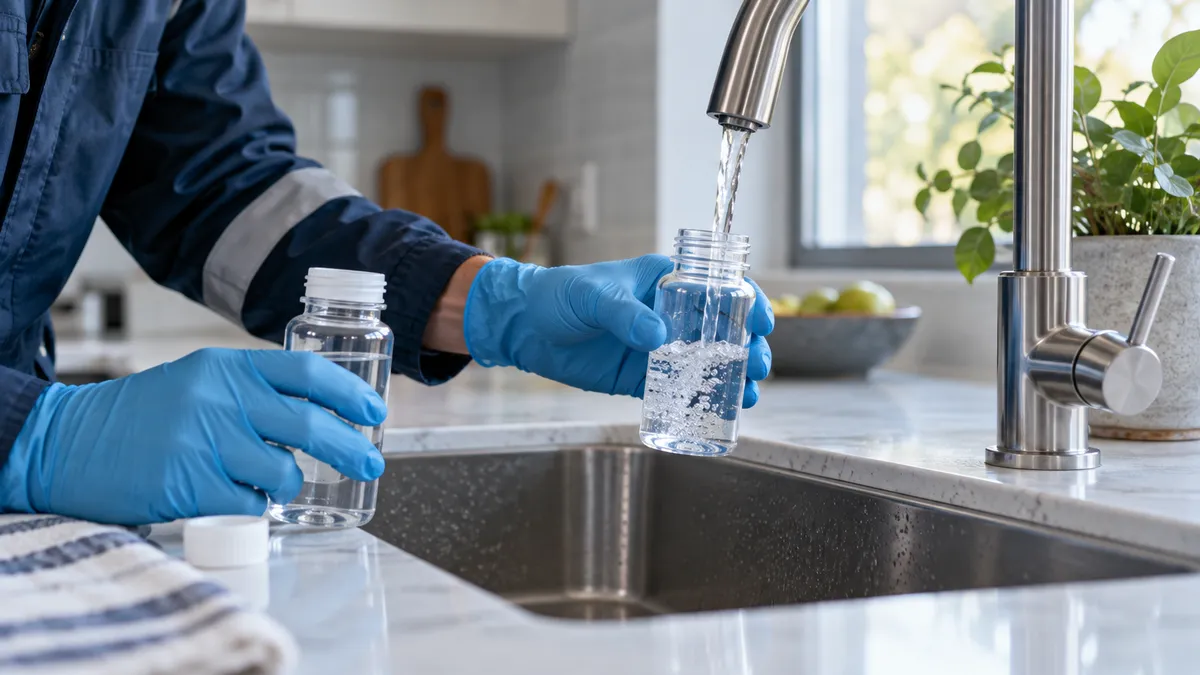
Illustrative photo of drinking-water samples collected at a kitchen tap

Drinking Water

Learn how plumbing, water source, building age, and previous water-quality issues can guide a drinking-water sampling plan.

Why it mattersQualified laboratory analysis can evaluate selected contaminants without implying that every property needs every available test.
EPA drinking-water information
Illustrative photo of a radon detector placed in a finished basement

Radon

Understand how radon enters buildings, why it cannot be detected by sight or smell, and how testing provides property-specific information.

Why it mattersTest results help property owners compare indoor levels with current guidance and decide on appropriate next steps.
EPA radon guidance
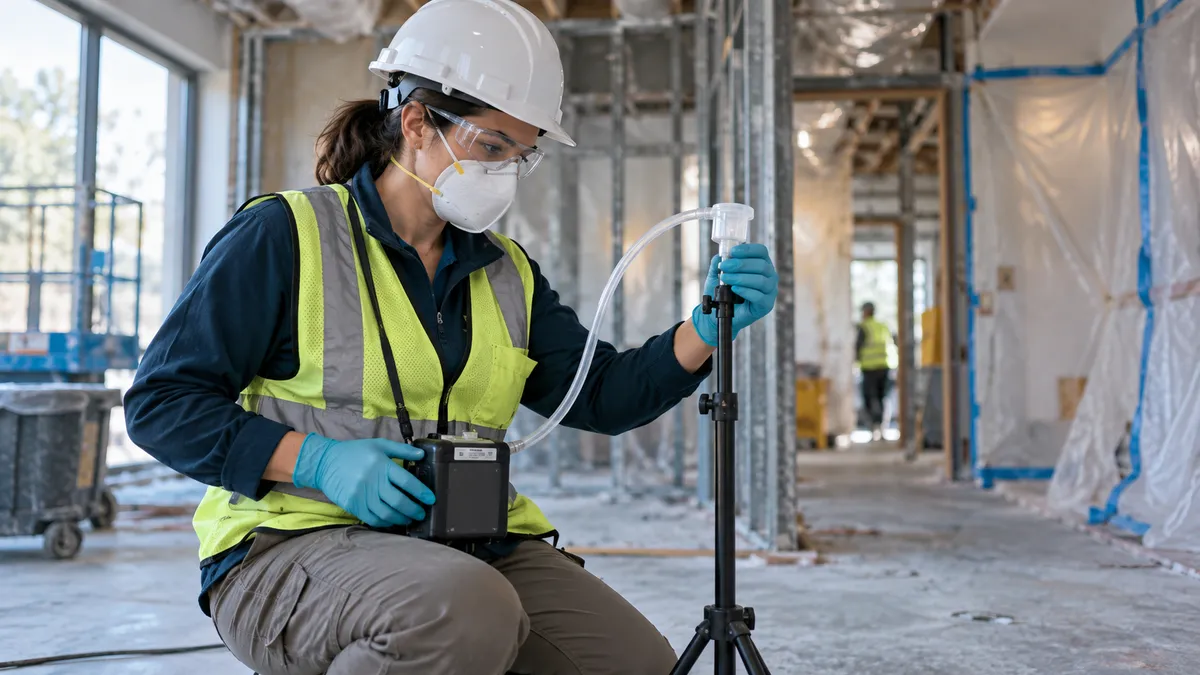
Illustrative photo of industrial hygienist using air sampling equipment at a renovation site

Industrial Hygiene

Learn how field observations, exposure monitoring, sampling strategies, and documentation support healthier work environments.

Why it mattersA defined scope connects the work activity, potential exposure, sampling method, and decision the results need to support.
OSHA industrial hygiene
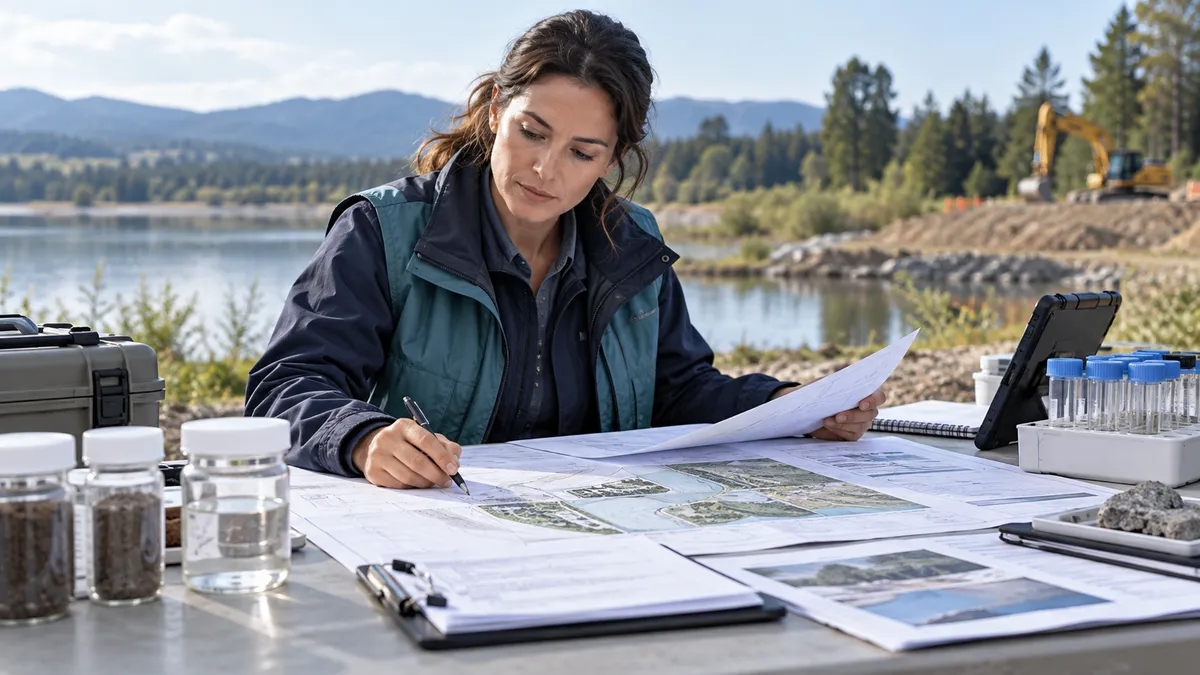
Illustrative photo of environmental planning documents and building plans

Environmental & Property Planning

Consider environmental conditions early when planning a purchase, renovation, demolition, capital improvement, or facility project.

Why it mattersEarly review can reduce uncertainty and help project teams coordinate surveys, sampling, and documentation before work begins.
EPA environmental resources

Resources are provided for general informational purposes and do not replace a site-specific environmental assessment, regulatory determination, or professional consultation.