Serving Virginia, Maryland & Washington, DC(240) 472-5864info@apcusa.net
Industries Served

Environmental answers start with the setting.

A residence, school, public facility, or active jobsite brings different materials, occupants, schedules, and decisions. We tailor inspections, sampling, and monitoring to the conditions on site, then deliver clear findings your team can act on.

  1. 01Understand the siteProperty and use
  2. 02Define the scopeFocused field work
  3. 03Report the findingsPractical next steps
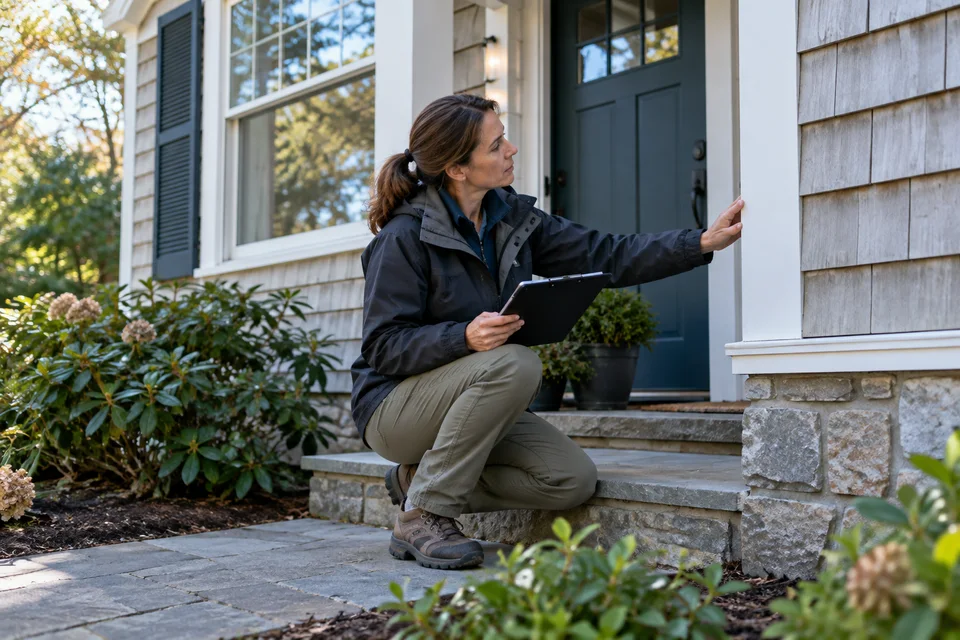
Illustrative image of an inspector reviewing the exterior of a home

Residential Properties

For homeowners, buyers, and landlords, we investigate environmental concerns that can affect a home's condition, planned work, and everyday use. The scope is shaped around the property and the questions that need answers.

Common needsLead-based paint and dust, drinking-water quality, asbestos, mold and moisture, radon, and indoor air quality.
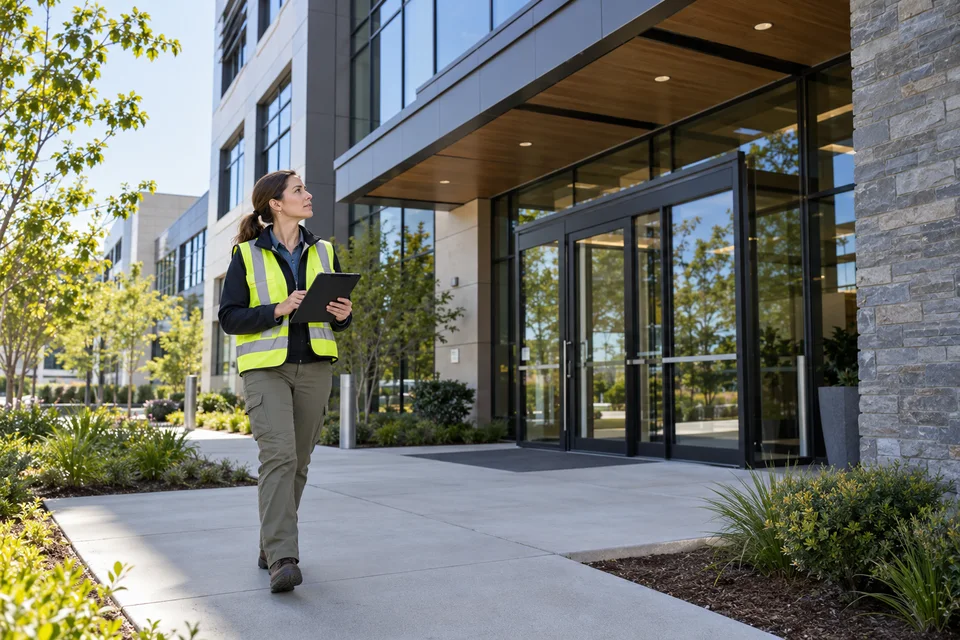
Illustrative image of an inspector reviewing a commercial building

Commercial Properties

We help owners and facility teams assess existing buildings, investigate occupant concerns, and document conditions before improvements or transactions. Findings are organized to support maintenance and project planning.

Common needsSuspect building materials, moisture intrusion, indoor air quality, renovation surveys, and environmental due diligence.
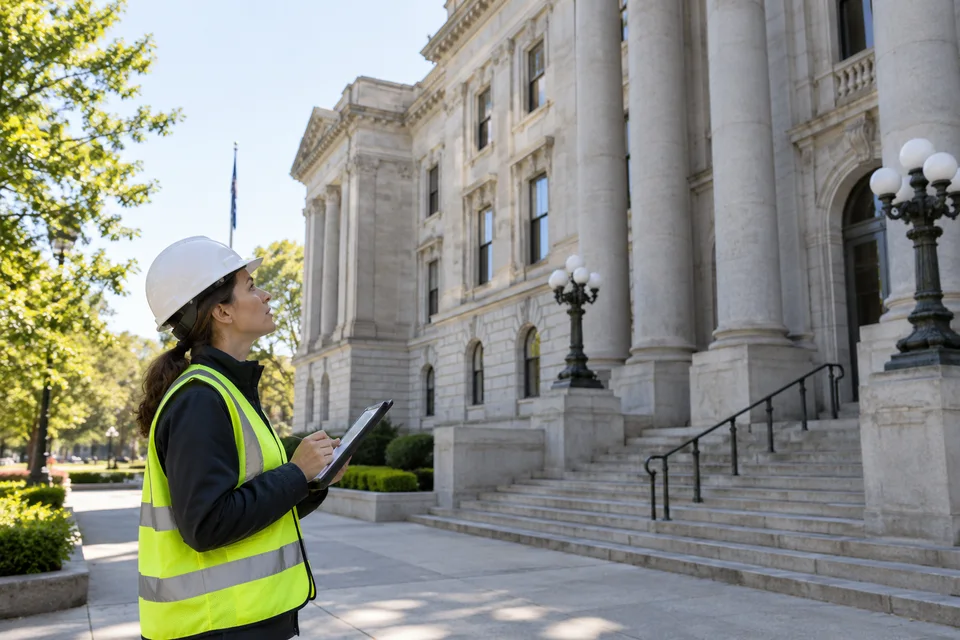
Illustrative image of an inspector outside a public building

Government & Public Facilities

Public-sector assignments call for clear scopes, coordinated site access, and dependable records. We provide inspection, sampling, and monitoring support for facilities and capital projects with documented findings for project teams.

Common needsPre-renovation material surveys, lead and asbestos, industrial hygiene monitoring, and technical reporting.
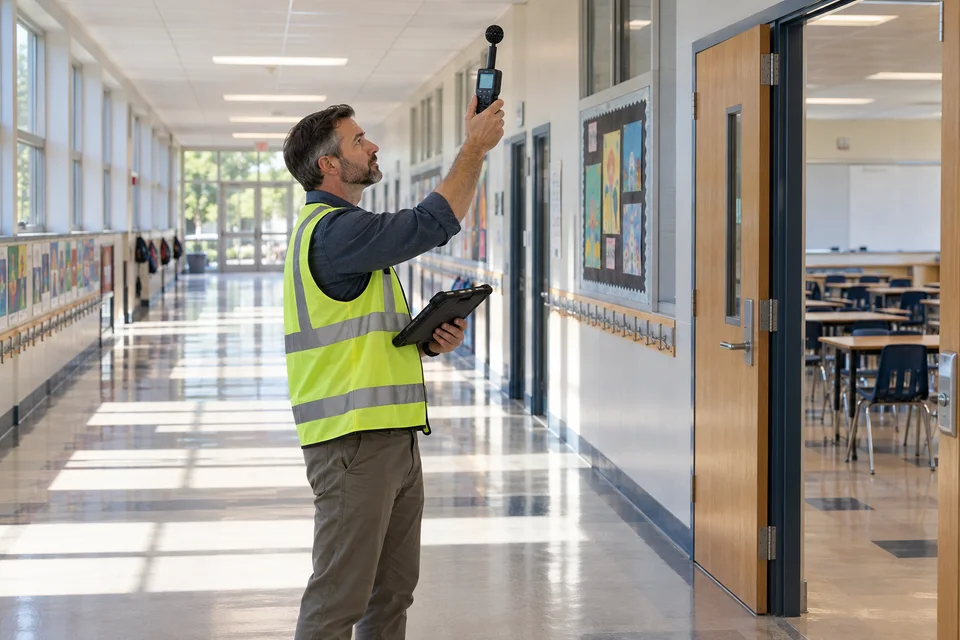
Illustrative image of an inspector assessing a school corridor

Schools & Educational Facilities

School and campus work is planned around occupied spaces, operating hours, and the needs of students and staff. Focused fieldwork helps administrators understand building conditions and prepare for maintenance or construction.

Common needsLead and asbestos, drinking water, moisture and mold, ventilation, and indoor air quality.
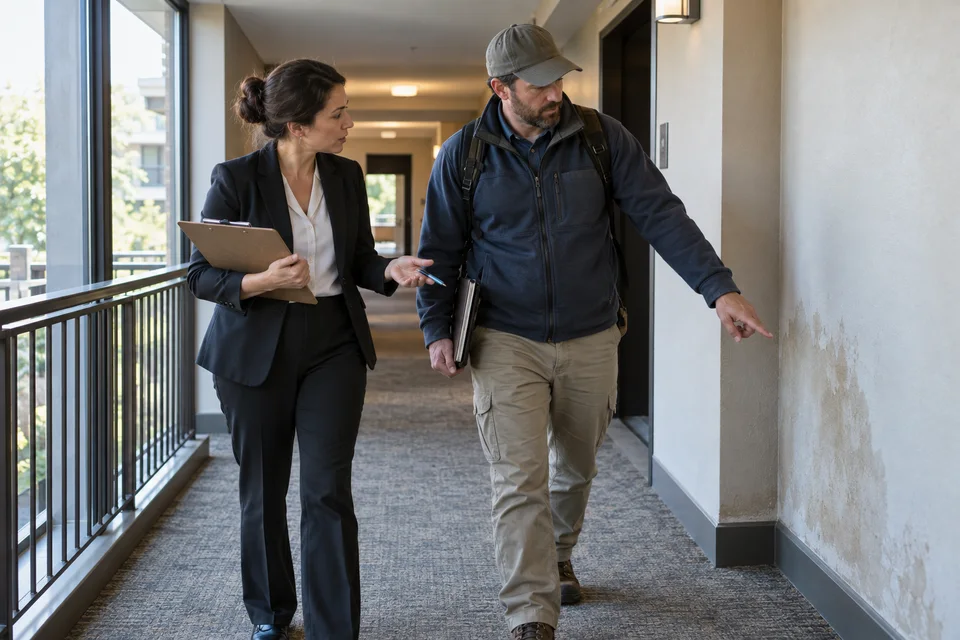
Illustrative image of a property manager and inspector reviewing a wall condition

Property Management

Property managers need timely, consistent information across individual units and larger portfolios. We investigate reported conditions and provide documentation that helps teams prioritize next steps and communicate with stakeholders.

Common needsResident concerns, leaks and water damage, older building materials, mold, and drinking-water quality.
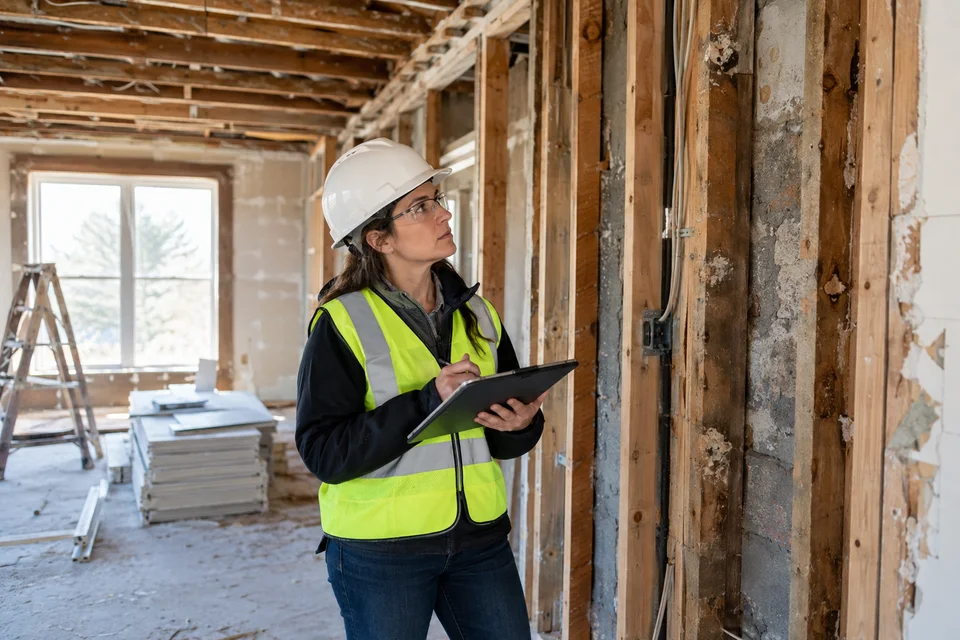
Illustrative image of an inspector reviewing materials at a renovation site

Construction & Renovation

Before materials are disturbed, we help project teams identify environmental considerations and plan appropriate surveys or sampling. During work, field monitoring and clear records can support coordination with contractors.

Common needsAsbestos-containing materials, lead-based paint, regulated materials, exposure monitoring, and abatement air monitoring.
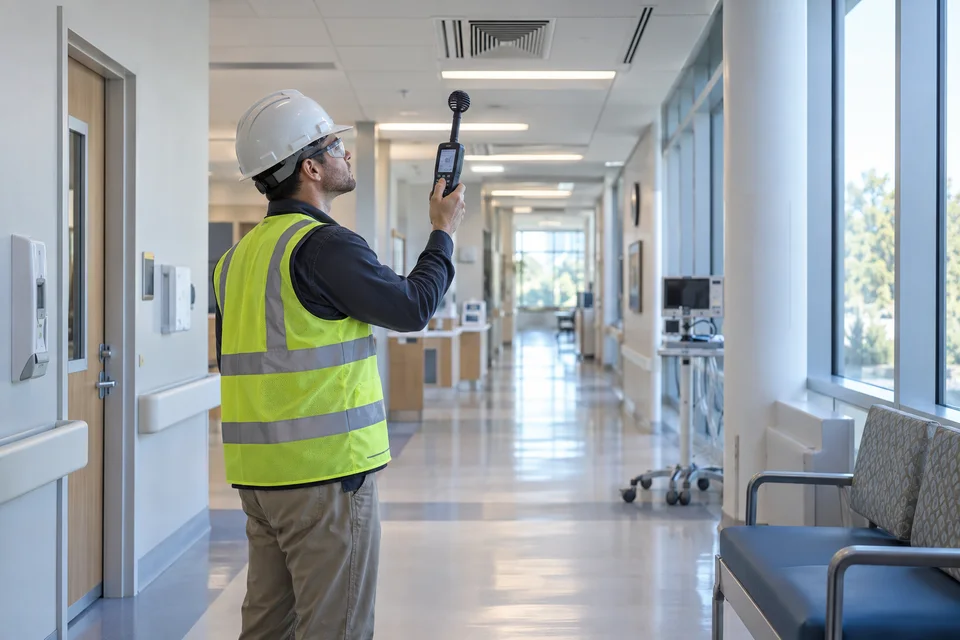
Illustrative image of an inspector checking air conditions in a healthcare corridor

Healthcare & Institutional Facilities

In facilities that must keep operating, assessments need careful scheduling and attention to occupied areas. We support facility teams with targeted observations, sampling plans, and concise reporting for the concern at hand.

Common needsIndoor environmental quality, moisture, suspect materials, and construction-related monitoring.
Illustrative image of a buyer and inspector reviewing a property report

Real Estate & Due Diligence

Environmental questions can influence a purchase, sale, lease, or planned improvement. We help parties examine relevant property conditions and document findings so decisions can be made with fewer unknowns.

Common needsBuilding age, suspect materials, drinking water, visible moisture, and planned renovations.